film · Tom Ford
Tom Ford's Cry to Heaven: Castrati, Betrayal, and Adele's Film Debut
Tom Ford hasn't directed a film in ten years. He's ending the silence with castrati, betrayal, and Adele — an 18th-century Italian opera drama that might be the most Kovert film ever greenlit.
By Damon King
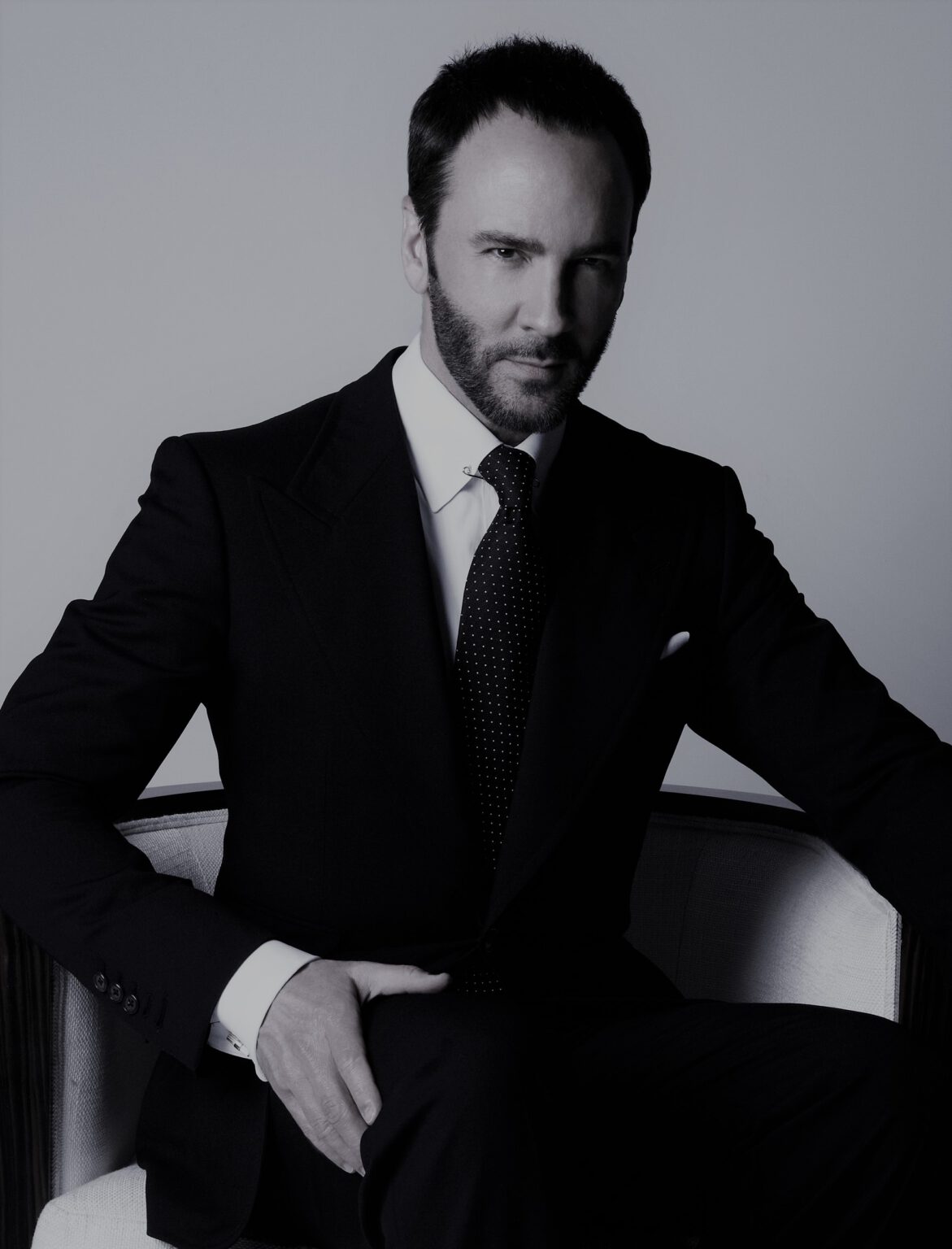
This is the case before the film. Cry to Heaven is shot and in post, with a release expected this fall. What's below is written from the source novel, the cast, and the specific fact of who is directing.
Consider what Tom Ford chose to break a decade of silence.
Not a comfortable return. Not a safe, awards-shaped prestige picture. He waited ten years — his last film was Nocturnal Animals in 2016 — and then chose to come back with a story about two men castrated to preserve their voices, set in the candlelit rot of 18th-century Venice and Naples, financed out of his own pocket because he wanted no studio's hand on the dial. That is not a man easing back in. That is a man who waited until he had something worth the wait.
The film is Cry to Heaven, adapted from Anne Rice's 1982 novel — not a vampire book, though it's by the woman who made vampires literary, but something stranger and more human: the world of the castrati, the boys mutilated in childhood to keep their soprano voices intact for the opera, and the ravishing, monstrous culture that celebrated them. Rice's story follows Tonio, a Venetian nobleman castrated by his own vengeful brother, and Guido, the Calabrian opera star who loses his own voice and becomes Tonio's teacher — a story of ambition, eroticism, and betrayal, of beauty made by an act of violence, of art wrung out of a wound. If you wanted to design the perfect Tom Ford subject in a laboratory, you could not do better than this. It is A Single Man's exquisite melancholy fused to Nocturnal Animals' cruelty, dressed in brocade and lit by candle.
Here is why this is a Kovert story and not just a film-news item, and it comes down to the man in the director's chair.
Tom Ford is the closest thing the culture has to a living definition of the aesthete. He rebuilt Gucci from a near-corpse into the most sexually charged house in fashion, did the same at Yves Saint Laurent, built his own empire, and then — at the height of it — walked into cinema and made two films so controlled, so beautiful, so composed, that the fashion world's condescension ("what does a designer know about film") curdled into envy. He knows exactly what a designer knows about film: that surface is meaning, that how a thing looks is not separate from what it says, that a man's grief can live in the knot of his tie and a whole civilization's decadence in the drape of a curtain. He is refined and he is feral, in the same frame, always — which is the exact register this magazine was built to occupy. And he has been away. He stepped back from his fashion house in 2022, went quiet, let the culture wonder whether he was done. This film is the answer. A self-financed, all-in, no-compromise return to the one subject that could hold him: the terrible price of beauty, sung by men who paid it with their bodies. Ford has spent his whole life arguing that beauty is worth any cost. Now he's made a film about people who were charged the highest cost imaginable — and forced to sing about it. That's not a coincidence. That's an artist finally telling on himself.
Then there's the cast, which reads like a Ford lookbook come to life. Nicholas Hoult, who Ford directed as a lovesick student in A Single Man, returns older and sharper. Aaron Taylor-Johnson, the cruel heart of Nocturnal Animals, is back too — Ford building a repertory company of beautiful men he knows how to break on camera. Julianne Moore, the scene-stealer of A Single Man, reunites with him. Colin Firth, Oscar-nominated under Ford's direction, returns. He is gathering the people who made his first two films sing. But look at the newer names, because the casting is an argument. Hunter Schafer and Lux Pascal — two of the most visible trans actors working — in a film explicitly about altered bodies, voices preserved through violence, gender made strange by the knife. That is not decorative casting. In a story about the castrati, bodies remade to produce an unearthly beauty, the presence of trans performers turns the whole film into a conversation about who is allowed to be transformed, and who gets to sing afterward. Ford doesn't do anything by accident. And then, the wild card: Adele, in her film debut, stepping into the one director who would know exactly how to frame the most famous voice of her generation in a film about voices — and about losing them.
Will it be great? We don't know. Ford is self-financing and taking it to market after post, which means no studio safety net and no studio interference — the same bet that produces both masterpieces and beautiful disasters. His films have sometimes been accused of being all surface, which misses the point so completely it's almost sweet: with Ford the surface is the depth, and a critic who can't see that is telling on themselves, not him. A period drama about castrati could tip into the lurid, the museum-piece, the tasteful and dead. Or it could be the film he's been walking toward for seventeen years — the one where his obsession with beauty-as-violence finally has a subject brutal enough to hold it.
Either way, this is the return of the decade for anyone who cares about the intersection this magazine lives on — where fashion becomes film, where surface becomes soul, where the most beautiful thing in the room is also the most dangerous. The aesthete put down his shears, picked up a camera, and pointed it at the exact place beauty is made and paid for. Nobody else was going to make this film. That's the whole reason to watch it. The verdict comes when it screens. Until then: he's back, and he chose to return singing about the cost.
Cry to Heaven is written, directed, and produced by Tom Ford (Fade to Black Productions), his first film since Nocturnal Animals (2016). Principal photography ran January–March 2026 in Rome and Caserta; a release is anticipated in late 2026, self-distributed after post. Based on Anne Rice's 1982 novel. Cast per the public record (Deadline, Variety, Wikipedia) includes Nicholas Hoult, Aaron Taylor-Johnson, Adele, Hunter Schafer, Lux Pascal, Julianne Moore, Colin Firth, Paul Bettany, Thandiwe Newton, Owen Cooper, and others; verify against final credits before print. No release date confirmed at time of writing. Hero image: a Tom Ford portrait or a first-look still if/when a cleared one is available — do not use unlicensed set photos.