nightlife · New York
Where New York Actually Dances Right Now: 8 Rooms That Get It
The city reinvents its nightlife every few years and buries the last version without ceremony. Here's where it's actually happening now — not the longest list, the right one.
By Damon King
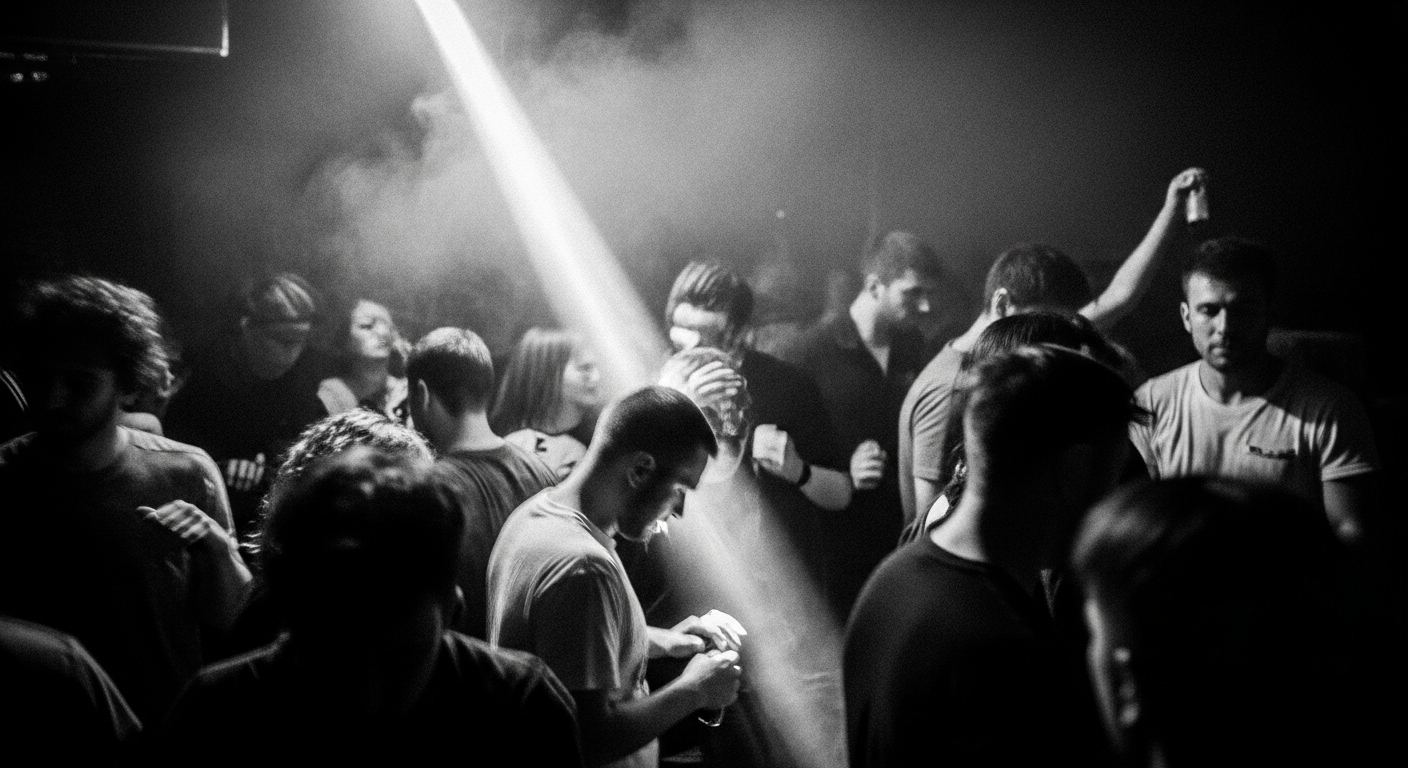
New York does not preserve its nightclubs. It composts them. Output closed and its alumni opened Nowadays and Jupiter Disco. Meatpacking cooled and Brooklyn took the crown. The city eats its own scene every few years, and the only sin is pretending the last version is coming back. It isn't. Something better usually is.
So this is not a ranking, and it is not comprehensive — the comprehensive list is a phone book, and a phone book has no taste. This is a map of the rooms that understand what a dance floor is for right now, each one making the argument a different way. One statement room per idea. Go where the night you want is actually being thrown.
For the sound, and nothing but — BASEMENT. If Berlin has Berghain, New York has this: a techno room in the catacombs beneath the Knockdown Center, century-old brick, no frills, no spectacle, no reason to be there except the music and the people who came for it. BASEMENT's whole ethos is a commitment to the dancer over the optics, and it shows in a crowd that came to disappear, not to be photographed. This is heads-down, lights-low, lose-the-plot techno. You will not get a good picture. That's the point of it. For the day that becomes the night — NOWADAYS. The outdoor-indoor hybrid in Ridgewood that everyone copies and no one matches. Arrive at four in the afternoon when the garden opens — trees, string lights, open sky, a small festival that happens to be in Queens — and ride it until the indoor room flips dark and the real session begins. Its Mister Sunday parties are institutions. What Nowadays understands is duration: that the best nights aren't a peak, they're a long arc, and the garden is where you learn to pace yourself for the dark.
For the purists — GOOD ROOM. Right here in Greenpoint, understated to the point of stubbornness, a room that burned down and came back because a room like this doesn't get to just die. Funktion-One system, moody light, smoke, and a booking policy that has put Ben UFO, Four Tet, and Moodymann in a space that seats a fraction of what they'd draw anywhere else. The late-Saturday after-hours sets are quiet legend. Good Room is the argument that intimacy beats scale — that hearing a great DJ in a small dark room is worth more than seeing one from a hundred feet back.
For the ritual, unbroken — BOSSA NOVA CIVIC CLUB. The 140-capacity Bushwick cornerstone, DIY since 2012, the low-lit sweatbox where a decade of local DJs learned their craft. Bossa is proof that the underground doesn't need to grow to survive — that a small room, held with conviction for long enough, becomes a monument. No spectacle. Just the oldest bargain in dance music: bodies, bass, dark, and an agreement about what the night is. For the true believers — PUBLIC RECORDS & the hi-fi rooms. In Gowanus, Public Records treats sound as a sacrament — a custom system, vinyl listening, the conviction that how you hear a record is inseparable from what it means. It's the club as cathedral of fidelity, the nightlife cousin of the listening bar, and it belongs to the same instinct running through everything good right now: slow down, listen harder, be here for the sound instead of streaming past it.
For the joy, out loud — HOUSE OF YES. Not everyone wants to disappear into the dark, and House of Yes is the glorious counter-argument: costume, performance, aerialists, a crowd that came to be gloriously, unironically seen — but seen by each other, in the room, not by a feed. It's spectacle in service of liberation rather than optics, which is the only kind of spectacle worth the electricity. Consent-forward, joy-forward, weird on purpose. The rare big night that never forgot it's supposed to feel free.
For the community, unapologetic — 3 DOLLAR BILL. Brooklyn's largest queer-owned-and-operated nightclub, out on Meserole in East Williamsburg — 625 capacity across an indoor floor with brutal sound, two outdoor spaces, and the newly annexed 9 Bob Note next door, so three parties can run at once. They've called it the queer Brooklyn Mirage and it earns it. This is the room where the community actually gathers: drag showcases, RuPaul alumni one-woman shows, trans-joy nights, daddy BBQs, a Confessions II Madonna tribute. You don't wander in — you come with a purpose, on a night that's throwing the thing you need. It's the load-bearing wall of queer Brooklyn nightlife, and it matters that it's ours — gay-owned, built as a celebratory home rather than a landlord's timeshare. For the scale — KNOCKDOWN CENTER. The century-old former factory in Maspeth, just over the Queens line, is the warehouse the others get compared to: cavernous main hall, industrial bones, and a booking history that runs from Jeff Mills to LCD Soundsystem to the Wu-Tang Clan. (BASEMENT lives in its catacombs; Knockdown itself is the big room upstairs, plus legendary open-air summer events.) This is scale done right — Brutalism and the avant-garde in the same room, the American cousin of Berghain's industrial cathedral. When you want to get lost in a genuinely enormous crowd and a genuinely enormous sound, this is the room.
And the queer Williamsburg axis — worth knowing as a cluster, not just single rooms. Around 3 Dollar Bill sits a whole corridor: The Rosemont on Montrose, Metropolitan on Lorimer, the bars where the night starts or lands before and after the club. This is where queer Brooklyn actually lives on a given night — not one venue but a walkable constellation of them, which is the oldest and safest form the scene takes. Rooms close; the corridor persists.
Notice what the good rooms share, because it's the whole point. None of them are selling you a photograph. BASEMENT and Bossa are too dark for it. Good Room and Public Records are too serious about the sound to care. Even House of Yes, the most visual room in the city, wants you costumed and present rather than posted-up filming. The healthiest nightlife in New York has quietly organized itself around the one thing the rest of your life can't offer: a room where you get to stop performing and start dissolving. That's the New York secret, the one that survives every closure and every neighborhood turning over. The building changes. The lease runs out. The scene composts and regrows two boroughs over. But the actual thing — the dark room, the big sound, the bodies, the agreement to be here and nowhere else — that has never once left this city, and it isn't going to. You just have to know which door, on which night, and then walk through it and leave the phone in your pocket.
Go dance. It's still here. It's always been here.
Venues current as of mid-2026 and drawn from the public record, including Resident Advisor's NYC and Brooklyn guides, plus local listings; scenes shift fast, so check each room's own calendar for who's playing before you go. Door policies at underground rooms run on vibe, not bottle service — arrive curious, not in a giant group, and know what night you're walking into. This is a curated map, not a complete one. Hero image: a dark, motion-blurred New York dance-floor photograph — bodies not faces, credited, editorial use, no green inside the frame. Companion to "Put the Phone Away and Dance."